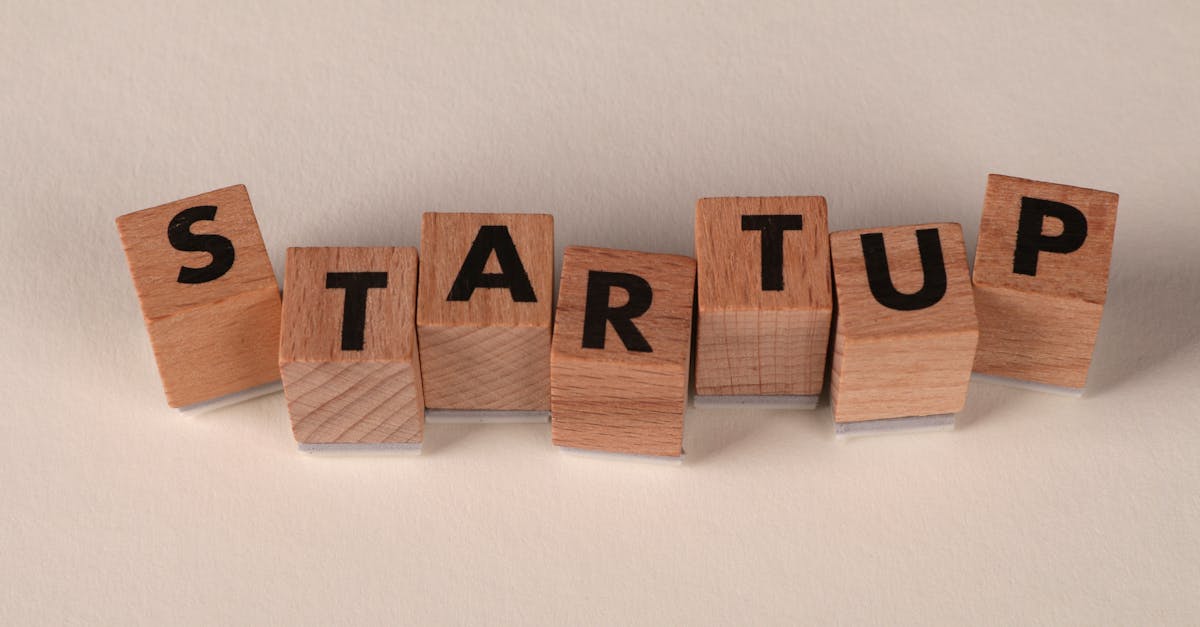
The Best Ways to Launch a Business Successfully
Starting a business is a bit like setting off on an uncharted sea voyage. You have the map, the compass, and a boat that you hope stays afloat, but the waves are unpredictable. Is it scary? Absolutely. Is it the most rewarding experience you will ever have? Without a doubt. If you are reading this, you probably have a fire in your belly and an idea that keeps you awake at night. The transition from dreamer to founder is a massive leap, and the way you handle that launch determines whether you are just playing shop or building a lasting empire.
Identifying a Problem Worth Solving
Most failed businesses have one thing in common: they solve a problem that nobody really has. Before you register a domain name or design a logo, you need to find a pain point. Think about it like this: if you try to sell a fancy umbrella to someone who lives in a permanent drought, they are not buying. You need to be the person selling water. Ask yourself what frustrates people in your industry. Where are the bottlenecks? If you can make a daily task easier, cheaper, or faster, you have found gold.
The Art and Science of Market Research
Guessing is the enemy of success. Market research is not just about reading industry reports; it is about talking to real humans. Go to the forums where your potential customers hang out. Read their complaints. What are they saying about your competitors? You want to know the gaps in the market that everyone else is ignoring. If your research feels like a chore, you are doing it wrong. Think of it as detective work where the prize is a business that people actually want to pay for.
Drafting a Business Plan That Actually Works
I am not talking about a fifty page document that gathers dust in a drawer. You need a living document. It should outline your mission, your target market, your revenue streams, and your operational plan. Use it as a roadmap. If you cannot explain how you will make money in one sentence, you need to go back to the drawing board. Keep it simple and keep it focused on the numbers that actually move the needle.
Defining Your Target Audience
If you try to sell to everyone, you end up selling to no one. It is tempting to think your product is for “everybody,” but that is a trap. Narrow it down. Who is your ideal customer? What do they eat for breakfast? What scares them at night? Creating a customer persona helps you tailor your messaging. When your marketing feels like it is speaking directly to one person, that is when you start seeing real conversion rates.
Crafting an Irresistible Value Proposition
Why should someone choose you over the guy next door? Your value proposition is your secret weapon. It needs to be clear, concise, and incredibly compelling. If you are selling software, do not just list the features. Tell them how much time they will save. Connect the dots between their problem and your unique solution. Remember, people do not buy products; they buy better versions of themselves or simpler versions of their lives.
Setting a Solid Legal Foundation
This is the part that makes everyone yawn, but it is the safety net that keeps you from falling. Whether you choose an LLC, a corporation, or a sole proprietorship, make sure you understand the tax implications. Get your business licenses, register your name, and make sure your contracts are tight. It is always cheaper to pay for a good lawyer at the beginning than to pay for a disaster at the end.
Financial Planning and Funding Your Vision
Money is the lifeblood of your startup. You need to know your burn rate and your runway. How long can you survive if you do not make a single dollar? Start lean. Do you really need that expensive office space? Can you outsource certain roles instead of hiring full time employees? Whether you are bootstrapping or seeking venture capital, treat every dollar like it is your last. Being frugal at the start allows you to stay flexible and pivot when necessary.
Building Your Minimum Viable Product (MVP)
Do not wait for perfection. Perfection is a myth that kills businesses before they start. Build a version of your product that solves the core problem and nothing more. Get it into the hands of real users as fast as possible. Their feedback is worth more than a thousand hours of your own speculation. Use the “build, measure, learn” cycle to improve your offering iteratively. Your first version should be good enough to start the conversation, not the end of the journey.
The Power of Branding and Identity
Your brand is more than a logo; it is the feeling people get when they interact with you. It is your tone of voice, your values, and your consistency. If you want to be known as the reliable, premium option, everything you do must reflect that. From your email signature to your website design, everything tells a story. Make sure your story is one that your customers want to be a part of.
Developing a Digital Marketing Strategy
If you build it, they will not just come. You have to go get them. Digital marketing is a vast world, but start with the channels where your audience already exists. Is it Instagram? Is it LinkedIn? Is it through search engine optimization? Consistency is key. You do not need to be on every platform, but you do need to show up where it matters most. Provide value, be authentic, and stop shouting at your customers. Start helping them instead.
The Crucial Role of Customer Feedback
Your customers are your best consultants. Listen to what they say, but also watch what they do. Are they clicking where you think they are? Are they dropping off at the checkout page? Use analytics to see the reality behind the anecdotes. Be brave enough to change direction if the feedback shows you are on the wrong path. Stubbornness is an asset only if it is focused on the goal, not a specific, failing product feature.
Smart Scaling Strategies
Scaling is not just about growing fast; it is about growing smart. When you start getting consistent revenue, it is time to optimize your processes. Automate the mundane tasks, hire for your weaknesses, and focus on the activities that provide the highest return on investment. Do not try to scale until you have achieved product market fit. Growing a broken business just leads to a faster collapse.
Building Mental Resilience for the Long Haul
Entrepreneurship is a marathon, not a sprint. You will have days where you feel like you are on top of the world and days where you wonder why you ever started. It is normal. The successful entrepreneurs are not the ones who never fail; they are the ones who refuse to quit. Surround yourself with a support system, take care of your health, and remember your “why.” When the going gets tough, your purpose will keep you moving forward.
Conclusion: Taking the First Step Today
There is never a perfect time to start a business. The market will never be perfectly aligned, and you will never feel 100 percent prepared. But you can start today with what you have. Take that first step, draft that plan, talk to that customer, and build that prototype. Success is a accumulation of small, consistent actions that eventually turn into a monumental result. The only difference between a successful founder and a dreamer is the decision to start and the discipline to continue. Go out there and make it happen.
Frequently Asked Questions
1. How much money do I need to start a business?
It depends entirely on your industry. Service businesses can often start with very little capital, while product businesses might require more. The goal is to start as lean as possible and focus on generating revenue quickly.
2. Should I quit my job to start a business?
Not necessarily. Many successful entrepreneurs start as a side hustle. Keeping your day job provides the financial stability you need to make rational decisions rather than desperate ones.
3. How do I know if my business idea is good?
Validate it. If people are willing to pay for your solution or exchange their time for it, you have a solid foundation. If nobody wants it, the idea needs to change, not the market.
4. What is the most common reason businesses fail?
Lack of market need is the number one cause. Other factors include poor management, running out of cash, and failing to adapt to customer feedback.
5. How important is a business plan?
It is crucial for clarity. Even if you do not need it for investors, it forces you to think through your strategy, your revenue, and your potential challenges, which helps you avoid common pitfalls.